
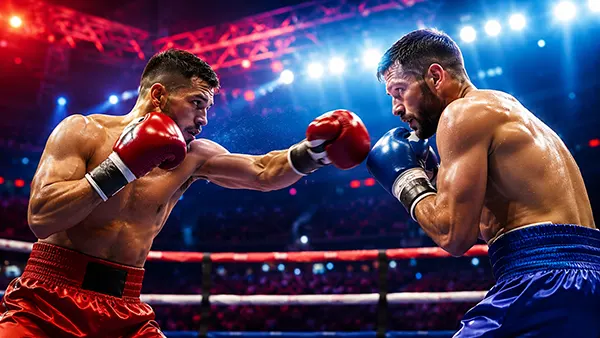
2026 Boxing Super-Fight Calendar: The Bouts That Could Reshape Division Rankings
Professional boxing enters 2026 with several divisions approaching decisive moments. Heavyweight, light-heavyweight, super-middleweight and welterweight rankings could look very different by the end of the year as leading contenders prepare for championship clashes and elimination bouts. While official fight schedules continue to evolve as promoters finalise agreements, a number of high-profile contests are widely expected by analysts and governing bodies. These matchups have the potential to affect title pictures, mandatory challenger positions and pound-for-pound discussions across the sport.
Heavyweight and Light-Heavyweight Fights Under the Spotlight
The heavyweight division remains the sport’s biggest commercial attraction. Following recent title consolidations and mandatory challenger movements, 2026 is expected to feature several championship-level contests involving the leading names in the rankings. Any fight between the division’s top three contenders could immediately alter the order of WBA, WBC, WBO and IBF standings.
One of the major storylines concerns the next generation of heavyweights attempting to establish themselves as long-term titleholders. Several undefeated contenders have positioned themselves within striking distance of championship opportunities, creating a competitive environment where a single victory can dramatically improve a fighter’s standing.
At light-heavyweight, the situation is equally dynamic. The division has become one of the deepest in boxing, with multiple former champions and rising contenders competing for world title opportunities. A unification contest or final eliminator could quickly redefine the hierarchy and influence future championship matchmaking.
Why Ranking Movements Matter in These Divisions
Unlike many team sports, boxing rankings directly influence access to championship opportunities. A contender who defeats a highly ranked opponent often moves into mandatory challenger status, placing them in line for a world title bout within the following months.
Heavyweight rankings attract particular attention because championship opportunities generate substantial financial rewards. As a result, sanctioning bodies closely monitor performances against elite opposition, making every major contest significant for future title negotiations.
Light-heavyweight contenders face similar pressure. With several fighters competing near the top of the rankings, a defeat can push an athlete several places down the ladder, while an impressive victory may create a direct route to championship contention.
Super-Middleweight and Middleweight Battles That Could Influence the Title Picture
The super-middleweight division continues to attract attention due to its combination of technical skill, power and championship depth. Several leading fighters are expected to defend titles or pursue unification opportunities during 2026, creating opportunities for substantial ranking shifts.
Middleweight boxing also enters the year with uncertainty surrounding the future of several established contenders. Younger athletes have begun challenging long-standing names, increasing competition among the top fifteen fighters recognised by major sanctioning organisations.
Many analysts expect at least one significant upset in either division during 2026. Boxing history repeatedly demonstrates that rankings can change rapidly when experienced champions face ambitious challengers who possess momentum, athletic advantages or tactical versatility.
The Importance of Mandatory Eliminators
Mandatory eliminator bouts often receive less publicity than world title contests, yet they frequently have a greater influence on rankings. Winning an eliminator can secure an official position as the next challenger for a championship belt.
For contenders ranked between third and tenth, eliminators represent a critical stage of their careers. Success may accelerate their path toward title opportunities, while defeat can result in lengthy rebuilding periods against lower-ranked opposition.
Super-middleweight and middleweight divisions are expected to feature several eliminators during 2026, making them particularly important for followers interested in the long-term championship landscape rather than only headline events.

Welterweight and Lower-Weight Divisions Enter a New Competitive Cycle
The welterweight division has historically produced some of boxing’s most influential champions, and 2026 could mark the beginning of another competitive era. Several emerging fighters have already entered world-level competition and are positioning themselves for championship opportunities.
Beyond welterweight, divisions such as super-lightweight, lightweight and featherweight continue to generate high-quality matchups. These categories often feature a larger concentration of elite talent, resulting in frequent ranking changes throughout the year.
Modern boxing audiences increasingly recognise achievements across multiple weight classes. As a result, major victories in lighter divisions now attract significant global attention and can influence pound-for-pound rankings alongside heavyweight championship bouts.
Fighters Most Likely to Rise in the Rankings During 2026
Young contenders entering their physical prime are frequently the athletes most capable of producing significant ranking improvements. Their activity levels, conditioning and willingness to face difficult opposition often create opportunities for rapid advancement.
Another factor influencing rankings is schedule strength. Fighters who consistently compete against top-ten opposition tend to receive greater recognition from sanctioning bodies than those who accumulate victories against lower-ranked opponents.
As the 2026 boxing calendar develops, attention will focus on championship fights, eliminators and cross-promotional agreements. The outcome of only a handful of elite contests could reshape multiple divisions and determine which fighters finish the year as recognised leaders of the sport.
The most popular articles
-
 Offside Betting in Football: How Attacking Styles Shape the Numbers
Offside markets have become increasingly visible in football betting over …
-
 Is Nico Ali Walsh the heir to the Great One?
If we talk about the greatest boxer of all time, …
-
 Top transfer news
Stay updated with the summer transfer window as we bring …
-
 Exploring 22Bet: A Comprehensive Review of the Betting Giant
In the diverse realm of sports betting, 22Bet stands out …