
January 2027 Transfer Window: Which Positions Do Europe’s Top Clubs Need to Strengthen?
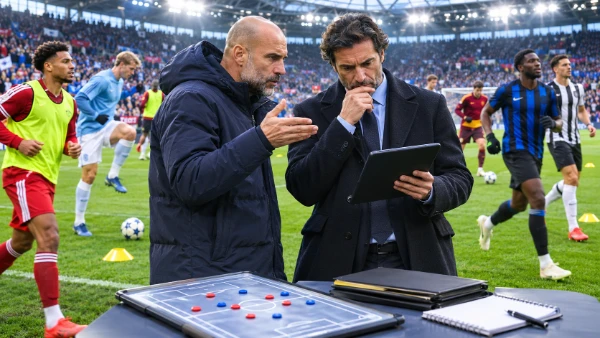
The January 2027 transfer window could prove decisive for Europe’s biggest football clubs as they approach the second half of the 2026/27 season. Following another expensive summer of recruitment, teams including Arsenal, Liverpool, Real Madrid, Barcelona, Bayern Munich and Paris Saint-Germain face different challenges. Some need additional attacking options, while others must improve their defensive balance or find reliable cover for important midfielders. With domestic title races, European competitions and demanding fixture schedules ahead, recruitment decisions will depend on more than individual talent. Clubs must consider their existing squads, injuries, tactical requirements and financial flexibility. Here is an assessment of the positions most likely to require attention when the winter market opens.
Premier League Transfer Priorities: Arsenal, Liverpool and Manchester City
English clubs enter the 2027 winter transfer period after an exceptionally expensive summer. Premier League spending reached approximately £3.49 billion during the 2026 transfer window, reflecting intense competition for established internationals and emerging talent. However, substantial investment does not automatically produce a balanced squad. Several leading clubs have strengthened their starting line-ups without completely addressing the demands of competing across domestic and European competitions. Injuries, changes in management and the development of younger players could expose weaknesses that were less obvious in August. Consequently, January recruitment is likely to focus on specific problems rather than another wholesale rebuilding exercise.
Arsenal’s most interesting question concerns their attacking options. Mikel Arteta already has an exceptionally strong midfield, with Declan Rice, Bruno Guimarães and Martín Zubimendi providing considerable quality and versatility. Martin Ødegaard and Eberechi Eze offer further creativity, while Bukayo Saka remains central to the team’s attacking identity. Viktor Gyökeres gives Arsenal a recognised centre-forward, supported by Kai Havertz and Gabriel Jesus. Nevertheless, the club could benefit from another attacker capable of deciding close matches against opponents who defend deep. A forward comfortable operating both centrally and from wide positions would provide useful alternatives without forcing Arteta to change his preferred approach.
Liverpool face a different challenge following significant changes to their squad. The departures and arrivals of recent transfer windows have reshaped the defence and forward line, while Andoni Iraola’s approach places considerable physical demands on players. Virgil van Dijk remains an important defensive leader, but Liverpool must also manage the development of younger central defenders, including Jérémy Jacquet and Giovanni Leoni. Ronald Araújo adds experience and physical strength, although competition for places does not eliminate the need for careful rotation. A versatile defender who can cover several positions would be valuable if injuries accumulate. Liverpool must also assess whether their midfield provides enough defensive protection when full-backs advance and possession is lost.
Manchester City’s Midfield and the Attacking Questions Facing Chelsea and Manchester United
Manchester City’s main recruitment question concerns the balance of their midfield following Rodri’s departure to Barcelona in summer 2026. Elliot Anderson, Tijjani Reijnders, Mateo Kovačić and Nico González offer different qualities, while Phil Foden and Rayan Cherki provide creativity further forward. However, Enzo Maresca requires players who can control possession while protecting the defence during rapid counter-attacks. City may therefore prioritise a midfielder who combines positional awareness, reliable distribution and defensive mobility. Another possibility is recruiting a specialist right-back, allowing the manager greater flexibility when constructing attacks. With Erling Haaland supported by Antoine Semenyo, Jérémy Doku and Omar Marmoush, signing another expensive centre-forward appears less urgent than improving the team’s balance.
Chelsea’s requirements should be considered in the context of their summer rebuilding and the appointment of Xabi Alonso. Cole Palmer, Morgan Rogers and João Pedro provide substantial attacking quality, supported by Pedro Neto, Estêvão and several other forwards. The immediate priority may therefore be defensive consistency rather than acquiring another prominent attacker. Chelsea possess numerous central defenders, including Levi Colwill, Wesley Fofana and Maxence Lacroix, but assembling an effective partnership requires communication, stability and regular availability. The club must also consider how well its midfield protects defenders when possession changes hands. A January signing would make sense only if a clearly defined weakness persists, particularly given the size of the existing squad.
Manchester United have already invested in midfield improvements, with Youri Tielemans and Andrey Santos joining a group that includes Bruno Fernandes and Kobbie Mainoo. Benjamin Šeško, Bryan Mbeumo, Matheus Cunha and Amad provide several attacking combinations, making another major forward acquisition difficult to justify without departures. Left-back appears a more practical area to monitor. Luke Shaw offers experience, but managing his workload across an extended season is important, while Patrick Dorgu and Diogo Dalot provide different tactical characteristics. A dependable defender capable of covering the left side and contributing effectively in possession could improve squad flexibility. United’s January decisions should also reflect their progress in European competition and whether their younger players are receiving enough opportunities.
Real Madrid and Barcelona: Defensive Depth and Midfield Balance in La Liga
Real Madrid approach the winter market with one of Europe’s strongest attacking groups. Kylian Mbappé, Vinícius Júnior, Rodrygo and Endrick offer different ways to threaten opponents, while Jude Bellingham and Arda Güler contribute creativity from midfield. The squad also includes Federico Valverde, Eduardo Camavinga and Aurélien Tchouaméni, giving the club considerable athleticism and defensive ability. However, an impressive collection of individual players does not always provide the precise distribution of skills required for every match. Madrid must determine whether they have sufficient midfield control against opponents who press aggressively and whether their defenders can remain reliable throughout the second half of the season.
Madrid strengthened their defence during the summer with the arrival of Ibrahima Konaté, adding him to a group featuring Dean Huijsen, Éder Militão, Antonio Rüdiger and Raúl Asencio. Trent Alexander-Arnold, Marc Cucurella, Álvaro Carreras and Denzel Dumfries provide further options across the defensive line. Consequently, January recruitment should not be interpreted as an automatic need for another centre-back. The more important question concerns long-term planning, particularly Rüdiger’s future and the distribution of playing time among younger defenders. Any incoming player would need to offer a clear improvement or address a potential departure. Spending heavily simply to increase defensive numbers would provide limited value for a squad that already contains considerable depth.
Barcelona’s circumstances are different because recruitment must remain closely connected to financial planning and the registration of players. Hansi Flick has an exciting attacking group featuring Lamine Yamal, Raphinha, Karim Adeyemi, Anthony Gordon and Gabriel Jesus. Pedri, Gavi, Frenkie de Jong, Marc Bernal and Rodri offer substantial midfield quality, including a valuable combination of technical ability and defensive experience. Barcelona’s main concern is maintaining adequate cover for a demanding style of football that relies on intense pressing and rapid recovery of possession. A defender capable of operating comfortably in a high defensive line could be useful, particularly if injuries restrict selection. Nevertheless, opportunities for academy players may make an expensive permanent transfer unnecessary.
Why Defensive Versatility Could Matter More Than Expensive Star Signings
For Real Madrid, a major issue is finding the right balance between attacking freedom and defensive organisation. Alexander-Arnold offers exceptional passing ability from wide positions, while Valverde can provide additional defensive support when required. The presence of Bernardo Silva also gives Madrid another experienced player capable of retaining possession under pressure. However, using midfielders to compensate for attacking full-backs can affect the team’s shape elsewhere. A tactically disciplined midfielder who can control tempo would provide an alternative approach in difficult Champions League matches. Such a signing might be more influential than adding another high-profile attacker, although Madrid could reasonably postpone this investment until the summer if suitable candidates are unavailable.
Barcelona’s defensive options include Pau Cubarsí, Jules Koundé, Alejandro Balde, Andreas Christensen, Eric García and João Cancelo. These players offer different strengths, from progressive passing to positional flexibility and attacking contributions. Yet Flick’s aggressive defensive structure requires exceptional timing and concentration, especially when opponents attack the space behind the back line. A versatile centre-back with sufficient speed to defend large spaces would be an attractive recruitment profile. Equally important is the ability to remain composed when receiving the ball under pressure. Barcelona must decide whether such qualities can be developed within the existing squad or whether a winter arrival would provide an immediate advantage in the title race.
The financial differences between the two Spanish clubs are likely to influence their approaches. Real Madrid generally have greater flexibility to pursue established international players, although securing attractive deals in January remains difficult. Barcelona must pay particular attention to squad registration requirements and financial restrictions before completing any agreement. Short-term loans, departures and opportunities for younger footballers could therefore become important parts of their planning. Both clubs should also avoid treating a temporary dip in form as proof that a major signing is necessary. A sensible winter strategy begins by identifying repeated weaknesses across several matches and determining whether those problems result from personnel, tactics or injuries.
Bayern Munich, Paris Saint-Germain and Inter Milan: Winter Recruitment Across Europe
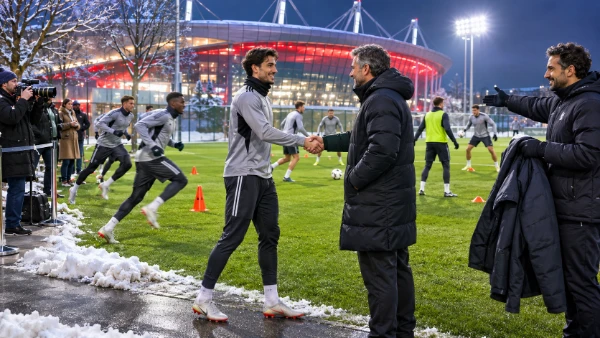
Bayern Munich’s attacking strength means their January recruitment should concentrate on squad balance and reliable alternatives. Harry Kane remains the central figure in attack, supported by Michael Olise, Luis Díaz and Serge Gnabry, while Jamal Musiala provides creativity between midfield and the forward line. Ismael Saibari and Lennart Karl also increase the range of attacking options available to Vincent Kompany. Recruiting another prominent forward would risk limiting playing time for existing players unless an important injury or departure changes the situation. Defensive midfield cover and full-back depth appear more practical areas to monitor, especially given Bayern’s demanding approach to pressing opponents and maintaining possession high up the pitch.
Joshua Kimmich and Aleksandar Pavlović provide Bayern with technical quality in central midfield, while Konrad Laimer offers energy and versatility. However, replacing the passing range and decision-making of key midfielders is not straightforward when fixtures arrive every few days. Bayern could benefit from another player capable of maintaining possession under pressure while helping the defence during transitions. At the back, Dayot Upamecano, Jonathan Tah, Kim Min-jae and Hiroki Ito provide several central defensive options. Alphonso Davies, Josip Stanišić and Nathaniel Brown contribute flexibility in wider positions. Rather than spending on another established centre-back, Bayern may prefer a versatile defender who can cover multiple roles or a midfielder whose qualities complement those already available.
Paris Saint-Germain have a similarly talented squad, although Luis Enrique’s selection decisions reflect a different tactical philosophy. Ousmane Dembélé, Khvicha Kvaratskhelia, Désiré Doué, Maghnes Akliouche and Ferran Torres provide numerous attacking combinations, while Vitinha, João Neves, Warren Zaïre-Emery and Fabián Ruiz give the midfield considerable technical quality. PSG’s most important recruitment question may concern defensive depth and the physical demands placed on their full-backs. Achraf Hakimi and Nuno Mendes play important roles in progressing the ball, meaning suitable replacements must contribute effectively in both attack and defence. An adaptable defender or midfielder could provide greater value than another expensive attacker, particularly if the club intends to maintain a stable first-team structure.
Inter Milan’s Squad Planning and the Factors That Could Shape January Deals
Inter Milan’s winter priorities are closely connected to maintaining an effective balance between established players and younger alternatives. Lautaro Martínez and Marcus Thuram remain important attacking figures, supported by Ange-Yoan Bonny and Francesco Pio Esposito. Nicolò Barella, Hakan Çalhanoğlu and Piotr Zieliński provide substantial midfield experience, while Petar Sučić and Andy Diouf offer younger options. The main question is how Cristian Chivu can manage the physical demands of domestic and European football without losing consistency. Additional midfield energy could prove valuable, particularly in matches requiring aggressive pressing and rapid defensive recovery. However, Inter already possess several options, making the quality and suitability of any potential arrival more important than simply increasing numbers.
Defensive succession planning is another important consideration for Inter. Alessandro Bastoni and Yann Bisseck offer strong foundations, while Benjamin Pavard, Manuel Akanji and John Stones contribute significant experience. Federico Dimarco and Djed Spence provide different qualities in wide positions. Although this group contains considerable depth, maintaining an effective defensive structure requires careful rotation and clear communication. Inter could therefore monitor younger defenders who combine physical strength with the ability to progress possession. Financial considerations may encourage the club to prioritise loan arrangements or opportunities that offer long-term value rather than expensive short-term solutions. An additional signing would become more urgent if injuries or departures reduced the reliability of the existing defensive options.
The success of the January 2027 transfer window will ultimately depend on how accurately clubs identify their needs rather than how much money they spend. Arsenal could benefit from another decisive attacker, Liverpool must protect their defensive balance, and Manchester City have important midfield decisions to make. Real Madrid and Barcelona should focus on tactical balance and defensive flexibility, while Bayern Munich, PSG and Inter must maintain squad quality during a demanding second half of the season. Timing is equally significant: UEFA permits Champions League knockout-stage clubs to register up to three new players by 4 February 2027, subject to its squad regulations. For Europe’s leading teams, the smartest winter signing may be a reliable specialist who solves an existing problem rather than a famous name who creates another selection dilemma.
The most popular articles
-
 Iconic boxing matches held in casinos
In the electrifying world of casinos, amidst the chiming slot …
-
 Betzone Bookmaker Review
Welcome to the comprehensive review of Betzone, a popular online …
-
 Scandal in the Ring: Wanderlei Silva and the Fury–Freitas Case — Co...
The boxing world has always been no stranger to controversy, …
-
 Virtual Sports Betting and Simulated Leagues: The Future or Just a ...
Virtual sports and simulated leagues have grown into a significant …